
Diet and hydration for healthy kidneys
Medically reviewed by Dr. Remus Ilie, specialist in urology, general ultrasound, NOVOMED CLINIC ConstanțaUpdated: October 3, 2026 · 4 min read
Medical advice for protecting kidney function
The kidneys are essential for keeping the body’s internal balance. They filter out waste, regulate blood pressure, produce important hormones and keep the balance of fluids and electrolytes. Even so, the way we live (a diet high in salt, not drinking enough or eating too much protein) can harm kidney health over time.
Contents (6 sections)
As urology specialists, we believe prevention is the most effective treatment. A balanced diet and proper hydration can help lower the risk of chronic kidney disease and help the kidneys work well.
1. Healthy kidneys: why proper hydration matters
Water is fundamental for the body to work well. The kidneys need enough fluid to filter the blood efficiently and to remove waste products through the urine.
How much water is enough?
The general recommendation is about 30-35 mL of water per kg of body weight per day, which means between 1.5 and 2.5 liters for an adult. Still, your needs vary with your weight, physical activity, the outside temperature and your health.
Signs that you are not drinking enough:
- dark or strong-smelling urine;
- tiredness and headaches;
- thirst, a dry mouth or dizziness;
- passing less urine than usual.
It is important to note that not all drinks are equally good. Sugar-sweetened soft drinks and punch have been linked to a higher risk of kidney stones. The safest choice remains plain water.
For people who already have a diagnosed kidney condition, such as kidney failure or nephrotic syndrome, fluid intake must be set individually, with guidance from a urologist or a nephrologist.
2. Healthy kidneys: the role of diet in protecting kidney function
A kidney-friendly diet means balance, moderation and avoiding foods that can overload the kidneys.
A. Cut down on salt (sodium)
Too much salt makes the body retain fluid and raises blood pressure, one of the main risk factors for chronic kidney disease.
- Avoid cured meats, processed foods, canned foods and store-bought sauces.
- Cook at home and season with natural herbs and spices: garlic, basil, thyme, parsley.
B. Eat animal protein in moderation
Protein is essential, but too much of it (especially from red meat) can overload the kidneys.
- Choose good-quality protein: fish, poultry, eggs, low-fat dairy.
- Include plant sources: lentils, chickpeas, soy, quinoa.
C. Avoid sugar and saturated fat
Diabetes is one of the leading causes of kidney failure, and obesity raises the risk. A balanced diet, low in simple sugars and trans fats, helps keep your weight in a healthy range.
D. Eat fruit and vegetables rich in antioxidants
Fruit such as blackberries, blueberries, pomegranates and apples is rich in vitamin C, beta-carotene and polyphenols and belongs in a varied, healthy diet.
3. Healthy kidneys: foods that help
Some foods fit especially well into a kidney-friendly diet:
- Cranberries: cranberry products may lower the risk of repeat urinary tract infections in some people.
- Garlic: adds flavor, so you need less salt.
- Extra virgin olive oil: part of a Mediterranean-style diet, linked to better heart and blood vessel health.
- Green vegetables (kale, broccoli): rich in magnesium and potassium (note: for people with healthy kidneys).
- Watermelon and cucumbers: they add to your daily fluid intake.
People with an existing kidney condition must keep an eye on how much potassium and phosphorus they eat. Some fruit and vegetables (bananas, potatoes, avocado) may need to be limited, depending on blood test results. What changes in practice, stage by stage, is explained in our article on diet in chronic kidney disease.
4. Preventing kidney stones through diet and hydration
Kidney stones are one of the most common urological problems. In most cases, they are linked to not drinking enough water and to too much of certain foods.
How to lower your risk of kidney stones:
- Drink water throughout the day, not only when you feel thirsty.
- Limit salt and animal protein.
- Eat fewer foods high in oxalate (spinach, chocolate, black tea).
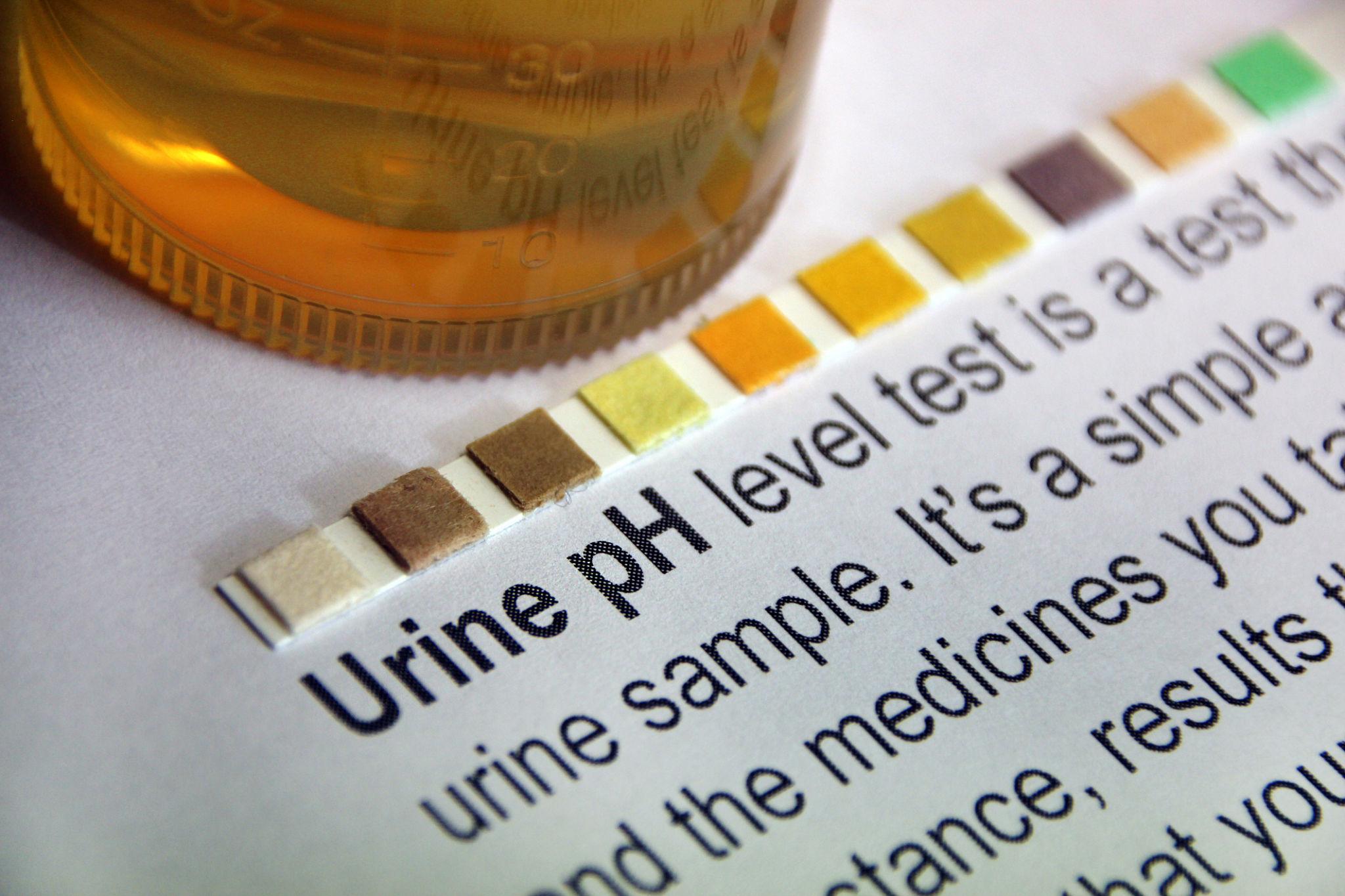
- Include citrus fruit (lemons, oranges), which helps keep urine pH in a favorable range.
For people who have already had kidney stones, analyzing the stone’s composition and a metabolic assessment are essential for personalized dietary advice.
5. When should you see a urologist?
Even without obvious symptoms, regular kidney checks are recommended (a blood test for creatinine and eGFR and a urine test for albumin), especially for people with risk factors: high blood pressure, diabetes, obesity or a family history of kidney disease.
Signs that may point to a kidney problem:
- changes in the color or amount of urine;
- persistent flank pain;
- swelling of the legs or face;
- unexplained rises in blood pressure.
Early diagnosis and treatment can prevent complications and preserve kidney function for a long time.
Kidney health depends largely on everyday choices. A balanced diet, low in salt and fat, combined with proper, regular hydration, is the simplest and most effective way to prevent problems.
At NOVOMED CLINIC, we encourage patients to pay attention to these habits and to have regular check-ups (blood and urine tests and, when needed, a urology consultation), so that any kidney problem is found early. Prevention, monitoring and health education are the foundations of a healthy life.
References
- National Kidney Foundation (NKF): Healthy Hydration and Your Kidneys
- Kidney Research UK: Hydration for kidney health
- National Kidney Foundation (NKF): Phosphorus and Your Diet
- KDOQI Clinical Practice Guideline for Nutrition in Chronic Kidney Disease: 2020 Update (American Journal of Kidney Diseases)
- Williams G et al. Cranberries for preventing urinary tract infections. Cochrane Database of Systematic Reviews, 2023
- Ferraro PM et al. Soda and other beverages and the risk of kidney stones. Clinical Journal of the American Society of Nephrology, 2013;8(8):1389-1395
About the authorDr. Remus Ilie, specialist in urology, general ultrasound, sees patients at NOVOMED CLINIC Constanța (by appointment). See the doctor’s profile.



 Copyright © 2026 BEST HEALTHCARE SYSTEM SRL, tax ID 38945184, Trade Register J2018000506130, Str. Soveja nr. 78, Constanța